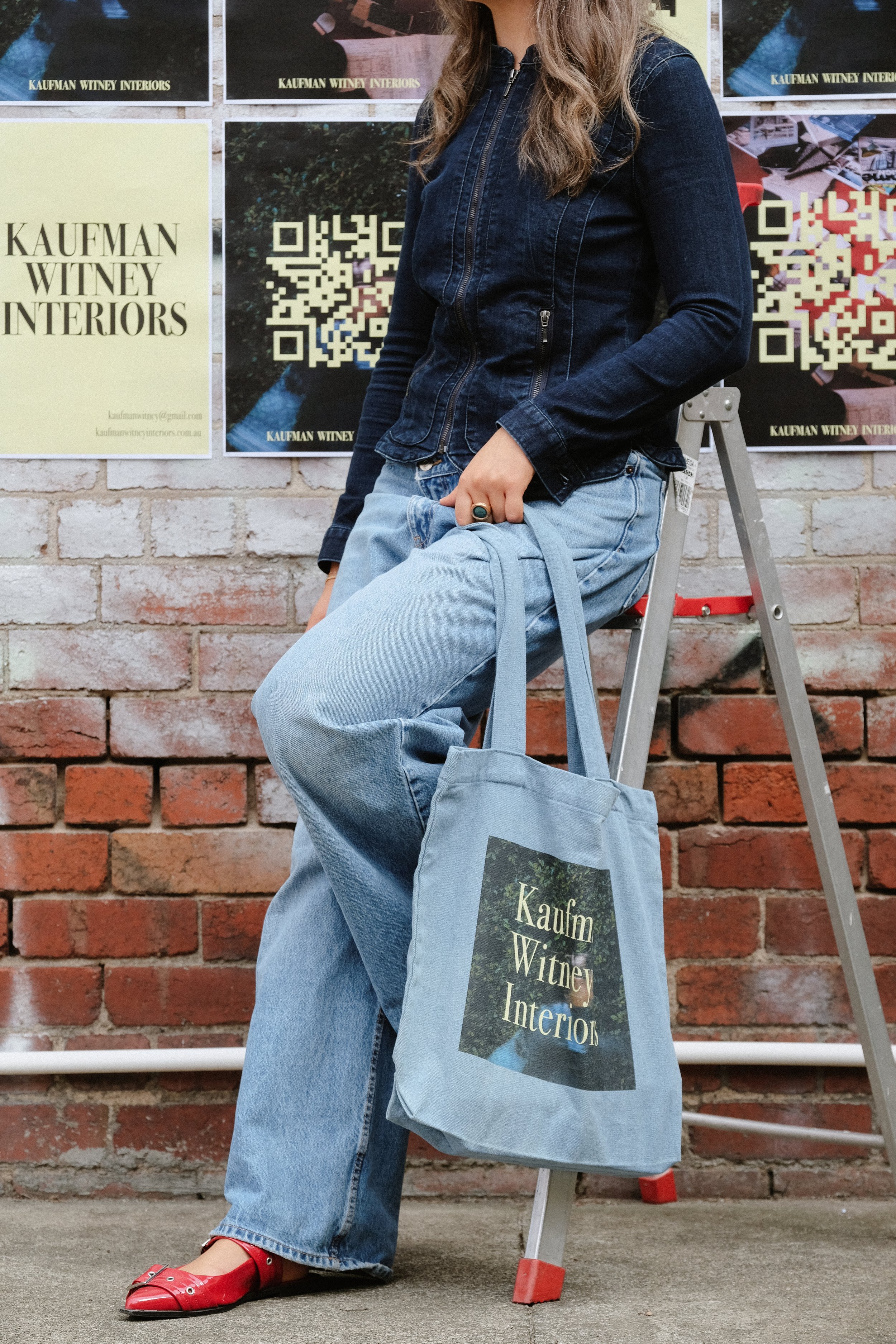
Why do I need an Interior Designer?
Why Do I Need an Interior Designer?
Interior design is often mistaken for decoration, but the two are fundamentally different. Decoration is what you see the finishes, the furniture, the styling. Design is what makes a space work. At its core, interior design is about how a space is used. It considers how people move, how they interact, and how a space supports everyday life. Long before cushions are placed or colours are chosen, design decisions are shaping the experience of being in that space. Kaufman Witney Interiors balances practicality and beauty to create spaces that are intentional, functional, and made to last.

Spatial Planning
A key benefit of working with an interior designer is understanding your space’s full potential. A well designed interior is not just visually appealing; it feels intentional. There is a natural flow, a sense of ease, where everything sits exactly where it should. These are not decorative choices, but intentional design decisions. Through spatial planning, we consider each segment of space carefully, how a space performs, and how it makes you feel when you walk through it.
Research
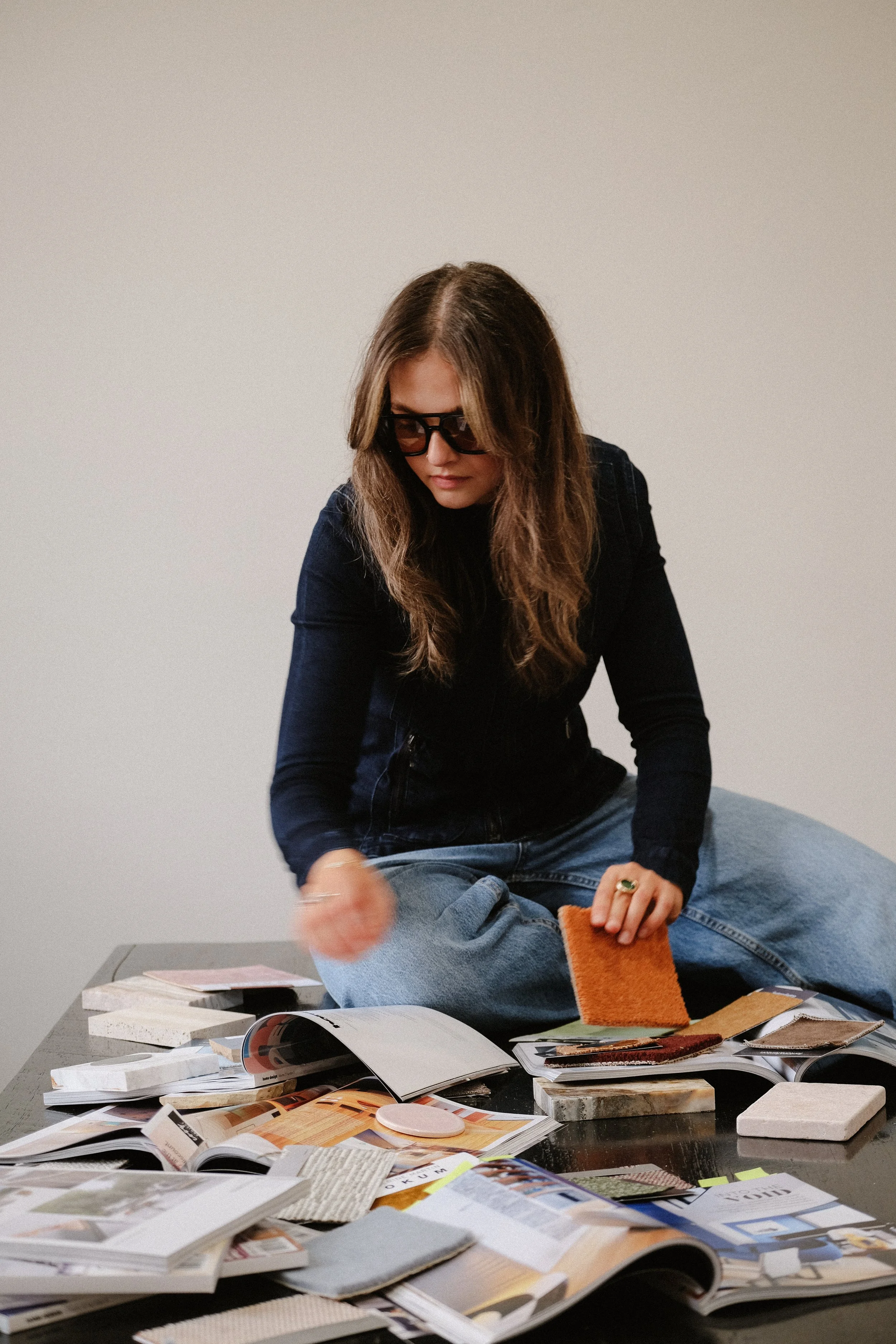
Research is a fundamental part of interior design, and it’s often the part that goes unseen.
Before anything is selected or specified, there is a considered process of understanding how a space will be used, what it needs to support, and how it can function at its best. This goes far beyond aesthetics. It involves exploring materials, methods, suppliers, and the practical realities of how a space comes together.
We, as interior designers, are constantly learning. The industry is always evolving, with new materials, technologies, and ways of living shaping how spaces are designed. Staying across these changes allows us to make informed decisions, ones that are not only visually considered, but also durable, functional, and appropriate for the way people live.
Research also allows us to refine and challenge ideas. What may seem like a simple selection often comes from comparing options, understanding performance, and anticipating how something will age over time. It is about asking the right questions early, so that the end result feels effortless.
This is where interior design moves beyond decoration. It is not about choosing what looks good in the moment, but about making decisions that are grounded in knowledge, intention, and longevity.
Industry Connections
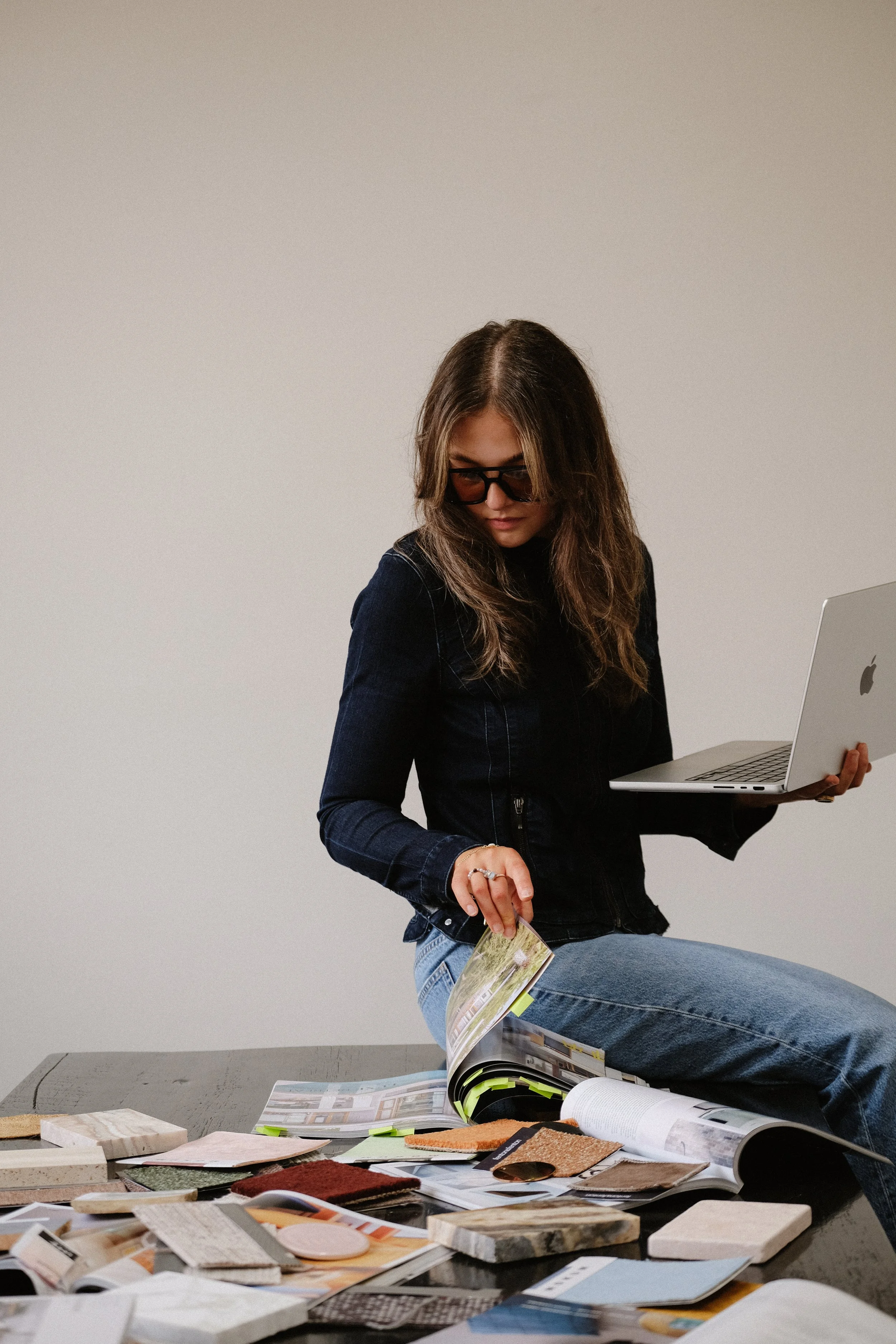
Industry connections are an integral part of interior design, extending far beyond simply knowing where to source furniture. Behind every well-resolved space is a network of trusted suppliers, makers, and trades.
Working within the industry means understanding who to go to and when. It allows access to quality products, custom solutions, and reliable trades who understand the level of detail required. This not only improves the outcome but also creates a smoother, more efficient process for the client.
Interior design is not done in isolation. It relies on collaboration, communication, and the ability to connect the right people at the right time. Managing these relationships is a key part of ensuring that a design is not only considered but also executed as intended.
This is where interior design is not just about selecting pieces; it is about coordinating an entire network to deliver a space that works, lasts, and feels resolved.

Problem Solving
Every space comes with its own set of constraints, whether it’s layout limitations, structural elements, budget considerations, or the way a client lives and uses their home. Building on our network and collaborative approach, we, as interior designers, work through these challenges to find solutions that feel both practical and considered.
Often, the most successful spaces are not the result of limitless possibilities, but of well-resolved constraints. It is about rethinking how a space can function, identifying opportunities where others might see limitations, and making decisions that improve how a space is used day to day. Good design solves problems in a way that ensures every element has a purpose in the space, not just placed because ‘it had to be’. Particularly working within original parameters that cannot be removed or moved, we question/understand why each element, physical or material-based, has its purpose, and how we can maximise space, improve flow, and ensure that every element has a purpose that feels effortless and intentional. When it is done well, the outcome does not draw attention to the challenges or ‘odd structural pieces’ that existed before; it simply feels right.
Material Selection
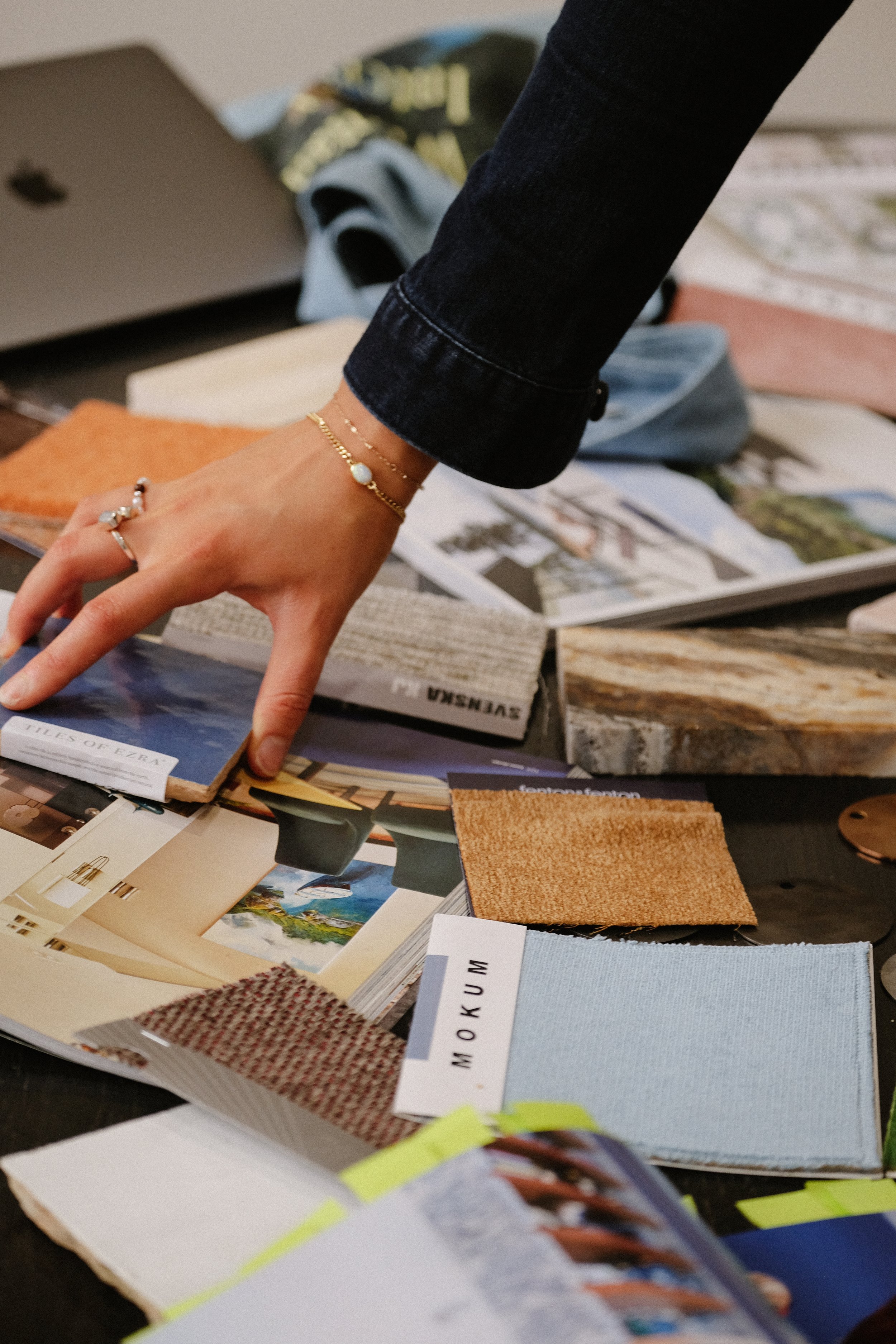
Material selection is a critical part of interior design, and it goes far beyond choosing what looks good.
Every material plays a role in how a space performs, how it wears over time, how it feels to touch, and how it responds to everyday use. It is not about selecting finishes in isolation, but about creating a material language that supports the space. These decisions are not purely aesthetic; they are grounded in durability, function, and suitability for the way a space is lived in.
A considered material palette brings cohesion to a project. It connects different areas of a home, creating a sense of continuity and balance, while also responding to light, texture, and the surrounding environment. Each selection is made in relation to another, ensuring the space feels resolved rather than pieced together.
There is also a level of foresight involved. Materials are chosen not just for how they look now, but also for how they will age, soften, and evolve over time. This is what gives a space longevity.
We draw on our network of trusted suppliers and industry knowledge to navigate the vast range of options available. What may seem like a simple choice often involves weighing up performance, maintenance, cost, and overall suitability.

Thoughtful Design, Meaningful Spaces
Thoughtful design is what transforms a space into something meaningful.
Interior design is not just about how a space looks, but how it feels to live in. It considers the small, often unnoticed details, how light moves throughout the day, how spaces connect, and how a home supports the routines and rituals of everyday life.
A meaningful space is one that reflects the people who inhabit it. It feels personal, not in an obvious or decorative way, but in how it responds to individual needs, habits, and ways of living. We create spaces that are not driven by trends, but by a deeper understanding of what is important to the client.
From Spatial Planning, Research, Industry Connections, Problem Solving to Material Selection, each element has a purpose, contributing to a space that feels thoughtful, practical and resolved.
This is where interior design moves beyond decoration. It’s not about creating something that simply looks good, but about creating spaces that hold meaning, support daily life, and feel intentional.